-
Treating coronary artery disease (CAD) primarily involves taking prescription medications as instructed.
However, seniors in Fond du Lac, Wisconsin, should also recognize the importance of leading healthier lifestyles through a proper diet. Combining this with regular engagement in physical activities is key to supporting heart disease management.
Equally crucial is minimizing stress, something that nearly half of Americans experience daily, according to The American Institute of Stress.
By following these strategies, CAD management in aging adults can yield more positive outcomes.
The team at LakeHouse Fond du Lac, our assisted living community in Fond du Lac, WI, a city known for its affordable cost of living and prime location at the foot of Lake Winnebago, will share insights into heart health routines that can help improve cardiac care for seniors with CAD.
Can You Live a Long Life With Coronary Artery Disease?
Yes. Seniors in Fond du Lac, WI, or anywhere else for that matter, can live a long, high-quality, and happy life even with coronary artery disease.
The key is to adhere to appropriate treatment and management plans, which include:
- Taking prescribed medications as instructed
- Implementing proactive management strategies (e.g., monitoring symptoms and informing your health team about any changes)
- Lifestyle modifications
Through these strategies, many older adults can effectively manage their coronary artery disease and lead satisfying, fulfilling lives.
How to Check Heart Health at Home?
One way older adults can check their heart health at home is by monitoring their resting heart rate.
Resting heart rate is a per-minute measurement of the heart's number of beats while a person is at rest. Seniors can obtain this through a device like a smartwatch or oximeter, but they can also check it by palpating an artery with their fingers.
The radial artery in the wrist or the carotid artery in the neck are two of the best locations to obtain a palpated pulse.
Getting an accurate resting heart rate is best done when seniors have been inactive for some time and don't feel stressed (e.g., after reading a feel-good book).
Normal heart rates for adults vary, depending on factors like age, gender, and hormones. However, they typically range from 60 to 100 beats per minute, according to the American Heart Association (AHA). The lower the number, the better and healthier it usually is.
What Are Lifestyle and Support Strategies for Treating Coronary Artery Disease?
In addition to taking medications as prescribed, seniors should also make lifestyle modifications, particularly with diet and physical activity. Avoiding and managing stress can also help control CAD symptoms and even other co-existing conditions, such as diabetes and mental health problems.
Focusing on a Healthier Diet
A heart-healthy diet minimizes intake of added sugars, too much salt, and saturated or trans fats. Instead, it emphasizes whole foods, such as:
- Fruits
- Vegetables
- Whole grains
- Lean proteins
- Unsaturated oils
- Fiber
- Omega-3 fatty acids
By focusing on healthy options, seniors in Fond du Lac can manage their blood pressure and cholesterol levels better. It can also help alleviate inflammation.
Engaging in Regular Physical Activity
Another critical foundation of treating coronary artery disease is engaging in regular senior-centric Fond du Lac wellness programs, including exercise.
As much as possible, older adults should aim to get at least 150 minutes of moderate-intensity activity per week. They can also opt for 75 minutes of vigorous-intensity activities weekly.
Examples of moderate-intensity exercises include:
- Brisk walking
- Water aerobics
- Dancing
- Swimming
- Cycling on flat ground
- Gardening
As for vigorous-intensity exercises, some ideas are:
- Running
- Swimming laps
- Fast biking
- Hiking
- Vigorous dancing
A crucial reminder before seniors engage in any physical wellness activity is to consider their mobility level. Please ensure you don't overdo it, as this can be more counterproductive, potentially leading to injuries.
Don't forget to start each exercise with some warm-up, too, including gentle stretches.
Avoiding or Managing Stress
As Yale Medicine explains, stress can lead to or exacerbate heart disease. For this reason, seniors should identify stressors and, as much as possible, avoid or minimize "contact" with them.
Older adults who feel stressed about aging, for instance, can avoid unpleasant, worrisome thoughts by prioritizing their physical and mental health. In addition to eating well and exercising regularly, they can also enjoy interesting and mentally engaging hobbies, such as gardening and needlework.
Socializing and fostering positive connections can also help. So can volunteering and taking the time to unwind and relax (e.g., going on nature walks around Fond du Lac Riverwalk, Lakeside Park, or Buttermilk Creek Park).
Frequently Asked Questions
Is Coronary Artery Disease Curable?
No. Coronary artery disease is typically not "curable"; medicine or surgery can't eliminate it. The plaque build-up ("atherosclerosis") in the arteries is not entirely reversible.
The good news is that even though CAD isn't curable, it's highly treatable and manageable with medications and lifestyle modifications. Procedures for more severe cases can also help (e.g., angioplasty and stenting or coronary artery bypass grafting).
Will Every Older Adult Develop Coronary Artery Disease?
No. Not all older adults will develop coronary artery disease at some point in their lives. However, CAD is a disease whose risk of development increases with age.
At the same time, age isn't the only risk factor for coronary artery disease; genetics is another, and so are unhealthy lifestyle habits.
Smoking, for instance, can increase one's risk of developing cardiovascular disease, according to the U.S. CDC. Seniors who smoke should therefore do everything they can to stop this habit, even more so if they already have a heart condition, such as coronary artery disease.
Manage CAD With These Strategies
Seniors in Fond du Lac, WI, should never forget that while medications are the primary method for treating coronary artery disease, healthy lifestyle habits and stress management can also help with heart health and overall wellness.
Our assisted living community in Fond du Lac, WI, LakeHouse Fond du Lac, is happy to help seniors age with grace and good health. From our tailored approach to personal care to our nutritious, heart-healthy meals and vibrant activities and events calendar, we offer all these and more to our senior residents.
Contact us today to discover how we can help you (or your older loved one) live your golden years to the fullest!
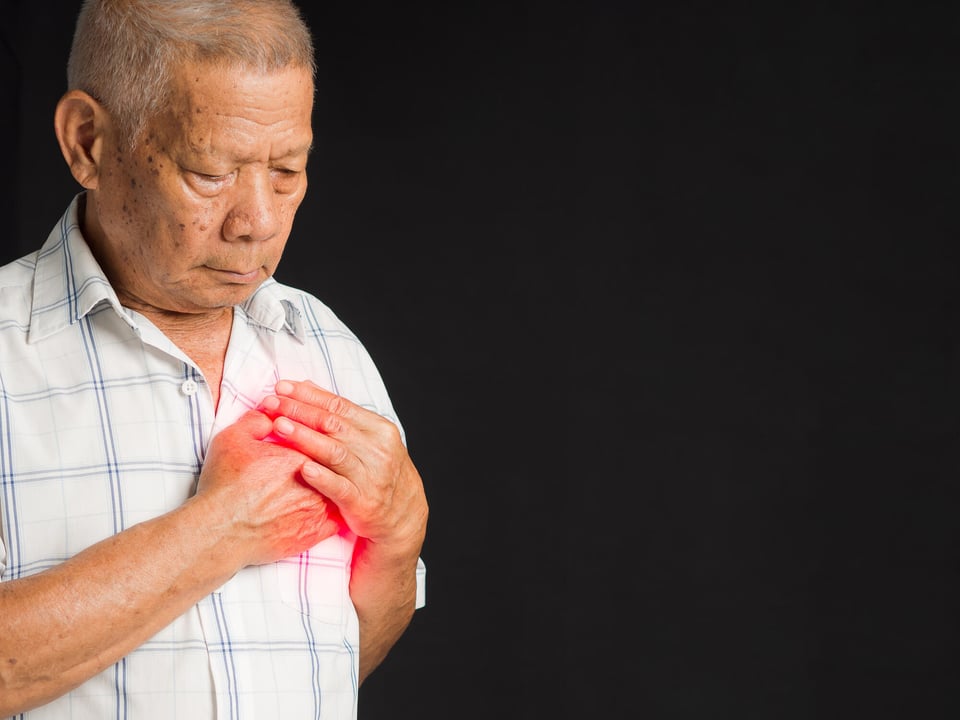
Treating coronary artery disease in seniors involves more than medication. Explore daily support strategies that aid long-term heart health.
Share